

OTR:Our Impact
Our story in 2019-20
A mental health social movementby and for young people
in Bristol and South Glos
Hiya!
Hi everyone and welcome to the OTR Impact Report for 2019-20! This ‘5 things you should know about OTR’ video was made by young people this year and tells you the basics about who we are and our approach to mental health and wellbeing.
We’re excited to showcase what we’ve been up to in the last year and tell you about how we’ve worked creatively and collaboratively with young people. Take a look through this site to find out more about the progress of our projects, some stats and finances, our achievements and challenges, and what we’ve learned going into a new financial year.
Headlines + Highlights
This is our CEO, Karen Black. Having been in post for a couple of years, she’s reflecting on where OTR is at, and her personal journey leading the organisation.
Here are some of the headlines from 2019-20.
We continue to see amazing outcomes with young people, who tell us that their experience with OTR feels validating, supportive and empowering.
Show Me The Stats!
Total Young People Reached:
Membership Team Reach
Number of young people our Membership Team have reached and engaged in conversations about mental health – via Hubs, and ‘pop up’ work in the community
Young people reached
Last Year's Figure
Pie Chart
Resilience lab reach
Number of young people accessing Resilience Lab, our regular workshops promoting good mental health and managing stress.
Young people reached
Last Year's Figure
Pie Chart
Young people in a structured intervention
Ethnicity
White
0%
Missing/Not stated
0%
Mixed
0%
Black/Black British
0%
Asian/Asian British
0%
Other
0%
Gender
Age
Average Sign Ups Per Month
Bristol
South Glos
of young people supported by OTR reported as having a disability
'Looked After Child'
Referrals
Parents supported at OTR's
parent / carer groups
of young people report improved outcomes at the end of the OTR experience
Social Media followers
email subscribers
Unique website visitors
Stories of OTR's Work
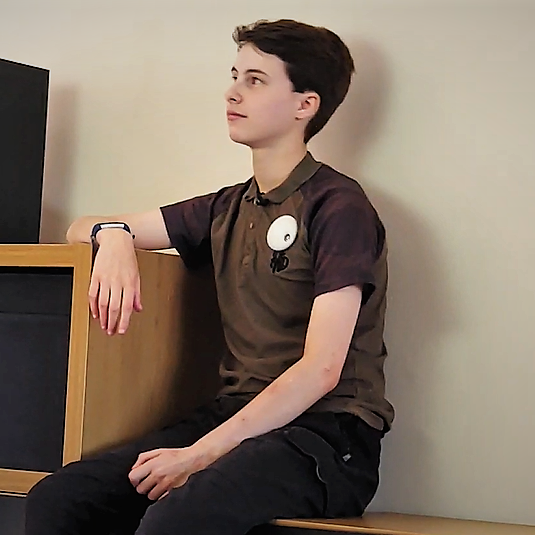
IN THEIR WORDS: George, 15
“I have been involved with OTR for around five years now and the organisation has never failed to impress me. I have most recently been involved with Freedom, which has allowed me to meet some amazing people and given me so much more confidence than I could ever have imagined. Before joining the group I was quite shy and reserved but over time I have begun to feel much more self-assured and comfortable in myself. The staff and volunteers are some of the most amiable people that I have ever met and someone is always there to support you no matter what. I truly believe that OTR has transformed my life and has allowed me to feel much more optimistic about my future and I cannot thank them enough for the prodigious support that they have given me throughout the years.”
IN THEIR WORDS: Community fundraiser - Dominique Morgan

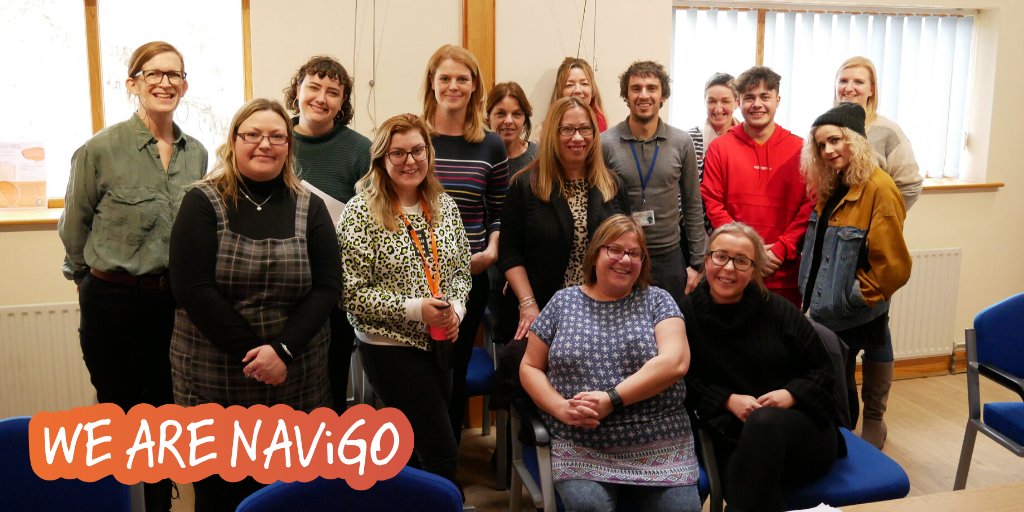
IN THEIR WORDS: Diffusion - Amy Quickfall, NAVIGO Health And Social Care CIC
Nexus, a project by NAViGO, supports young adults within North East Lincolnshire, and approached OTR’s Diffusion with the aim of offering its own Resilience Lab sessions.
“We wanted to do this across a wide spectrum of young adults including YMCA, Police Cadets and local schools and colleges. Bronwen and Caoimhe from OTR came to Grimsby to provide a ‘Train The Trainer’ course, which was well presented and really interactive. It provided an opportunity to get a feel for the workshops that will be delivered and gave us a full insight into how a young adult would feel when taking part. Bronwen and Caoimhe were engaging and gave good background information and pointers on how to expand the workshops – and how to deliver them. The workshops are really interactive and give the opportunity for everyone to get involved.
“Currently NAViGO delivers a small number of workshops focusing on mental health awareness, and we can now expand on what we currently offer. Everyone liked how the workshops are named and structured, and the materials we received from OTR are fantastic. It was so refreshing to be able to share this information that is going to benefit young adults in our area.
“We now consider OTR to be a partner of Nexus and have built a relationship of sharing and broadening each other’s understanding of different issues facing young adults.”
IN THEIR WORDS: James Beardall, Head of Service in the Children and Families Services Team, Bristol City Council
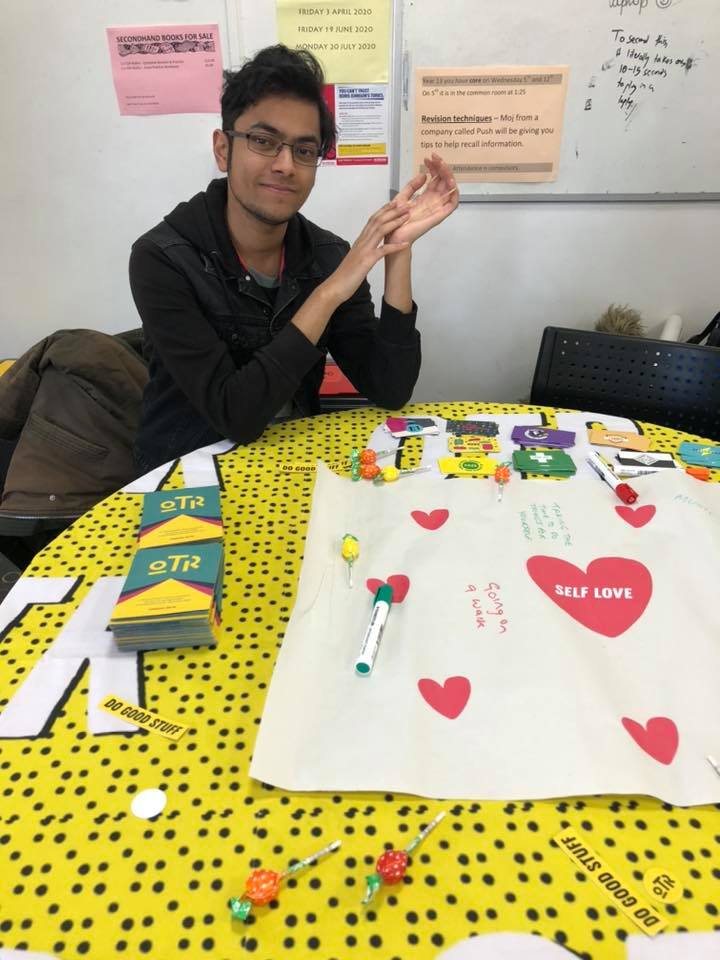
IN THEIR WORDS: Mo Islam, Peer Representative at OTR
“The biggest thing I’ve learned at OTR is being a professional! When I was at OTR on placement as a Peer Rep, it felt like a job that I’d like to do. I felt like a proper grown up – getting up in the morning, working, coming home, dinner, bed – a little taste of adulthood. It also taught me emotional awareness – I had some difficult conversations on the OTR enquiry line, learning how to deal with that and separate myself from my ‘work self’ as two entities. My experience at OTR also improved my management skills to keep everything under control; be organised, be on-time. I know I’m leaving a legacy behind at OTR and I’m really happy and excited to have created new resources, like the self-esteem zine, for young people. It’s been really fun being a Peer Rep, I’ve been able to mix my fun side and my serious side!”
Money
We’ve had a successful year financially and as we look ahead, and recover from COVID-19, longer term sustainability is a key focus for us. A large part of our ability to work flexibly and with autonomy is thanks to the big increase in unrestricted income we’re receiving from Diffusion (our collection of enterprise initiatives) and community and corporate support. Here are the figures:
Income
£1.7 million
Expenditure
£1.5 million
We’d like to thank our new major funders who came on board during 2019/20:
Act for Change
who are funding a two year social action programme to address the injustice of BAME young people being most likely to experience poor mental health but least likely to receive support
Tampon Tax
who are funding Zazi, supporting our work with young BAME women aged 16-25 in a national partnership with Youth Access
Rayne Foundation
who are contributing to our core costs over three years to help us to further develop our social movement
Fidelity Foundation
who are contributing to our core costs for one year.
Garfield Weston
who are contributing to our core costs for one year to help us to further develop our social movement
Donations Total:
We’d like to say a huge thank you to everyone who supported us with fundraising and donations in 2019-20 – here’s Sylwia with a quick message!
Overcoming Challenges
Throughout the year we’ve had various challenges to consider and overcome.
Socially and politically, we have lived through some pretty uncertain times.
We know that Brexit has had a huge impact on the wellbeing of young people and their communities, especially in a city as diverse as Bristol. While young people are living in unprecedented and politically tense times, one thing that remains frustratingly constant is the unhelpful narrative which medicalises, individualises and catastrophises young people’s health, often ignoring that wider context.
Distress and anxiety feels like a pretty apt response to the weird times we’re in, and a big challenge we have at OTR is to push back against the idea that young people’s ‘issues’ are problematic on an individual level, and recognise where our model sits in a landscape of mental health ‘treatment’.
We know that relationships matter more than ever, and our model of engaging young people in a diverse range of support options, focusing on group work and arts and community-based projects, is therefore more important than ever. We also recognise that social action is a vital way of mobilising young people to prosper through difficult times and create change in unjust societal structures, and our role in doing this OTR will need to develop in the coming months.
The virus and subsequent lockdown presents a huge challenge for us all, individually and collectively, like we’ve never seen before. For OTR and our services, which so often centre on bringing young people together, the challenge in the first instance was a logistical one. We have been able to adapt to the situation thanks to technology such as Zoom and Whatsapp, which enables us to continue providing services and nurturing relationships (be it one-on-one with a therapist, or in group settings). We’re learning a lot and we are listening. You can read more about how we’re navigating the new normal in the ‘Future Plans’ section below.
Future Plans
2020 is a year of anniversaries – OTR turns 55 and our LGBTQ+ project Freedom, proudly one of the first services of its kind in the country, celebrates turning 25. The best way we can celebrate is to keep developing and improving our offer – so here’s how we plan to do that:
We need to keep the wheels turning, and so we have an ongoing objective to diversify our income and ensure we are financially healthy. Diffusion is a big area of development and our recruitment of a Director of Engagement will enable us to scale our training and consultancy work on a national level, securing more income streams.
One thing we know already is we have more work to do in South Bristol, and so we have already started linking up with agencies to expand our reach south of the river. We will also develop our offer for parents and carers, informed by positive feedback to some recent pilot groups.
The development of our services will also be informed by the results from our first ever young person’s survey, from which there are very clear actions for us to take. These include improving our feedback mechanisms and making it more clear how to raise issues with OTR; reviewing and improving our ability to offer BAME therapists; and thinking about how we can navigate ongoing relationships with OTR including follow-ups and check-ins after an experience with a group or project has come to an end.
The rapid development of COVID-19 into a global pandemic presented a challenge that nobody could have accounted for, but we take lots of learning from it. Our instincts to digitise our services were initially through a commitment to remain available to young people, but as time has progressed, there are some indications that this is an offer that should have, at least in part, been available all along. Sessions on video/audio call simply suit some young people better than coming in to OTR in person, so we are thinking carefully about how we flexibly model our services; not just to ‘cope’ with the current situation, but to create a framework for a more diverse and attractive offer for young people in the future.
The virus and lockdown will unfortunately have a long-lasting effect on young people, with issues around employment, education and housing inevitably having a huge impact on wellbeing. Places like OTR will likely be needed more than ever before, and we’re committed to working collaboratively with young people and other support agencies to adapt healthily and progressively to this new reality.